Why Pests May Be Most Frequent Throughout Windsor Homes?
Why Windsor Homes Face Numerous Pest Problems
For homeowners looking for pest control Windsor services, the first step is understanding why the area sees so much pest activity at the outset. Windsor, Ontario features local conditions that naturally favour a wide range of common household pests. Its location along the Detroit River and near Lake St. Clair contributes to moisture, humidity, and mild weather patterns that can increase pest pressure throughout the year.
That riverfront setting matters because many pests rely on water sources and damp hiding spots. When homes have extra moisture, pests find easier access to harbourage, nesting sites, and food sources. In Windsor, this is especially noticeable in older homes where aging materials, worn caulking, and settling foundations can create structural gaps and entry points.
One more reason Windsor homes experience regular pest problems is the city’s mix of housing types. From detached family homes to duplexes and apartment buildings, pest pressure is common in both single-family homes and multi-unit housing across Windsor. Shared walls, utility chases, and aging infrastructure can help pests move between units or from outside into interior spaces.
Shifts in the seasons also play a major role. Warm, humid summers can drive higher insect activity, while cold winters push rodents and overwintering pests indoors. This cycle of seasonal infestations means homeowners often need preventive measures all year, not just after a problem appears. A practical approach to home protection should include monitoring, exclusion, sanitation, and targeted treatment options based on the pest and the season.
Most Frequent Domestic Pests in Windsor
When residents ask about the most common pests in Windsor, the list usually starts with ants, cockroaches, mice, and spiders. These pests show up frequently because Windsor homes provide the conditions they need: cover, coziness, moisture, and easy access to food. In many cases, the issue starts small, but early warning signs can lead to bigger problems if ignored.
The most common household pests are not always the same in every neighbourhood, but across Windsor, Ontario, these species are commonly seen in kitchens, basements, attics, garages, and wall voids. Their presence often reflects a combination of local conditions, aging construction, and seasonal migration.
Ants and Dampness-Loving Insects
Ants are among the most familiar invaders in Windsor homes, especially during the warmer months. Homeowners often notice sugar ants in kitchens, near pantry items, or around sinks and counters. These ants are drawn to food sources and water sources, which makes crumbs, spills, and damp areas especially attractive.
Carpenter ants are a more serious concern because they can damage wood while nesting. Unlike termites, carpenter ants do not eat wood, but they excavate it to create nesting sites. In Windsor’s older housing stock, especially in homes with roof leaks, poorly sealed windows, or wet crawlspaces, carpenter ants can take advantage of moisture intrusion and softened wood. That can eventually lead to property damage and more difficult treatment.
Other moisture-seeking insects may also appear when humidity is high or when plumbing leaks go unnoticed. For homeowners, the key is to reduce access to moisture and food. Even a small leak under a sink or a damp basement corner can support ongoing ant activity.
Rodents in Basements, Lofts, and Garages
Rodents are a major concern in Windsor because homes often provide easy shelter from cold weather. House mice are very common, and rats can also be a problem in some areas, especially where food waste, clutter, or exterior openings are present. Outdoor species like field mice may move indoors seasonally in search of warmth and food.
These invaders often linger in basements, attics, and garages, where they find nesting materials and undisturbed nesting areas. They travel through entry points as small as a opening around a pipe, a fissure in the foundation, or an unsealed garage door. Rodent activity can be difficult to spot at first, but it often reveals clear signs over time.
In Windsor, older homes are especially vulnerable because aging foundations, utility penetrations, and vent openings can create access routes. Rodents can gnaw through packaging, wiring, insulation, and stored items, which makes early action crucial. They also contaminate areas and can create serious sanitation concerns if they establish a nest indoors.
Cockroaches in Kitchens and Multi-Unit Housing
German cockroaches are one of the toughest pests to eliminate once they become established. They flourish in warm, moist places with easy access to food and shelter, which makes kitchens, laundry rooms, and utility areas common hotspots. Poor sanitation can make an infestation worse, but even well-kept homes can experience problems if cockroaches are introduced through packages, appliances, or shared walls.
In Windsor, cockroach issues are often associated with apartment buildings and other multi-unit housing, where pests can move between units through wall voids, plumbing lines, and shared hallways. That is why sanitation alone is not always enough. Effective control usually requires a broader strategy that combines monitoring, exclusion, targeted treatment, and follow-up.
Because cockroaches reproduce quickly, early infestation signs matter. Droppings, shed skins, odours, and sightings during the day can all point to a growing issue. In homes with repeated activity, professional pest control Windsor services may be needed to identify the source and stop the spread.
Spiders, Silverfish, and Other Damp-Area Pests
Spiders are common in Windsor homes, especially where insects are already present as a food source. Many spiders are harmless, but frequent sightings indoors can signal that other pests are nearby. They often appear in quiet spaces such as corners, closets, storage rooms, and unfinished areas.
Silverfish are another pest tied closely to damp environments. They are often found in basements, bathrooms, laundry areas, and other places with humidity. Silverfish feed on paper, glue, fabric, and other starchy materials, which can lead to damage in stored books, documents, wallpaper, and clothing.
Windsor’s older homes can be especially attractive to damp-area pests because foundation seepage, poor ventilation, and humidity fluctuations create ideal conditions. When moisture is persistent, these pests can remain active year-round. Reducing humidity and improving airflow are important preventive measures, but persistent infestations may require more direct control.
Annual Pests Windsor Residents Need to Watch For
Windsor’s shifting weather creates reliable pest patterns. In the spring and summer, insects become more active as temperatures rise. In fall, some pests move indoors for shelter, a pattern tied to seasonal migration. Winter pushes rodents and overwintering insects closer to warmth, often into basements, attics, and wall spaces.
The pests homeowners most often notice seasonally include wasps, cluster flies, stink bugs, and mosquitoes. These seasonal infestations are largely shaped by local conditions, especially Windsor’s damp summers and chilly winters.
Wasps often become more noticeable in late summer and early fall as colonies peak. Nests may form under eaves, in sheds, and around decks. Homeowners commonly discover them while doing outdoor maintenance or yard work.
Cluster flies are known for moving into attics and wall voids as temperatures drop. They may gather in large numbers inside homes, especially on sunny winter days when warmth draws them out of hiding. Their presence is often tied to the structure of older homes and accessible entry points.
Stink bugs also become a nuisance during the cooler months. They commonly enter homes to overwinter, finding cracks, gaps, and other structural gaps around siding, windows, and rooflines.

Mosquitoes are a familiar summer issue in Windsor because standing water, gardens, and humid conditions support breeding. Areas near the Detroit River and Lake St. Clair can see especially favourable conditions for mosquito activity, making outdoor comfort a seasonal concern for many homeowners.
Indicators You Might Need Specialized Pest Control in Windsor
Many pest problems often start unnoticed, but they usually leave signs. If you notice droppings, gnaw marks, nesting material, or signs of property damage, it may be a good time to contact for help. These infestation signs can point to rodents, insects, or both, depending on where they appear.
Rodent droppings in cupboards, along baseboards, in garages, or near stored items are a strong indicator of activity. Gnaw marks on food packaging, wood, wiring, or insulation suggest that animals are actively feeding or nesting. Nesting material such as shredded paper, fabric, or insulation often appears in hidden areas like attics, wall voids, and behind appliances.
Property damage can also show up in harder to spot ways. Chewed electrical wires, damaged trim, stained drywall, or ruined insulation may all signal a larger infestation. Insects can create damage too, especially when ants, cockroaches, or moisture-related pests are allowed to spread. When signs keep returning, the issue is often more serious than it first appears.
Homeowners in Windsor should keep an eye on recurring pest activity because it often signals access points that have not been sealed or a food or moisture issue that has not been corrected. At that point, professional inspection becomes especially valuable.
How to Stop Typical Pests in Windsor Homes
Proper pest prevention starts with understanding what attracts pests in the first place. Available food, water access, clutter, and access points all play a role. The best preventive measures combine blocking entry, sanitation, moisture control, and regular monitoring.
Sealing cracks is one of the most useful steps. Caulk around windows, doors, vents, and utility entries. Repair damaged screens and weather stripping. Close gaps where pipes, cables, or vents enter the home. In older Windsor neighbourhoods, these small repairs can make a real difference because older homes often have more cracks and gaps than newer builds.
Proper food storage is also important. Keep pantry goods in sealed containers, clean crumbs and spills quickly, and avoid leaving pet food out overnight. Garbage bins should be closed tightly, and recycling should be rinsed when https://toronto-onur511.lucialpiazzale.com/what-s-included-as-part-of-a-typical-pest-control-treatment-for-windsor possible. This reduces access for ants, mice, cockroaches, and other pests that thrive on readily available food.
Moisture control matters just as much. Fix leaks promptly, use dehumidifiers in damp basements, and ensure bathrooms and laundry rooms are well ventilated. Moisture creates favourable conditions for silverfish, carpenter ants, cockroaches, and other pests that seek damp shelter. In Windsor, where humidity can spike during summer and seepage can affect older foundations, moisture management is a major part of home protection.
Yard maintenance can reduce pest pressure around the exterior. Trim back vegetation, remove standing water, store firewood away from the house, and keep debris away from foundations. Clear gutters and maintain grading so water drains away from the home. These steps reduce harbourage and limit nesting sites near the structure.
Simple monitoring also helps. Check basements, attics, garages, and pantry areas regularly for droppings, insect activity, or unusual odours. The earlier a problem is found, the easier it is to control.
Knowing When to Call a Windsor Local Pest Control Expert
Sometimes DIY prevention is enough, but there are also situations where calling a local expert is the smartest decision. If the problem keeps coming back, if you see obvious rodent activity, or if pests are spreading through more than one part of the home, it is time for a professional inspection.
An experienced local provider can assess entry points, nesting sites, moisture sources, and signs of pest movement that homeowners may miss. They can also recommend integrated pest management, a effective approach that brings together monitoring, exclusion, sanitation, and targeted treatment options. This method focuses on long-term control rather than short-term fixes.
Professional help is especially important when there is a recurring infestation. Ongoing ant trails, ongoing mouse sightings, or recurring cockroach activity usually mean there is an underlying issue that needs a broader solution. That may involve sealing structural gaps, correcting moisture problems, or treating hidden nesting areas.
For Windsor homeowners, local expertise matters because pest behaviour is shaped by the city’s climate, housing stock, and riverfront conditions. A provider familiar with Windsor, Ontario will better understand seasonal infestations, local building patterns, and how pests move through older homes, basements, attics, and garages. That local knowledge can make pest control more effective and more durable over time.
Ultimately, the most common pests in Windsor homes are closely tied to the region’s humidity, older housing, and changing seasons. Ants, carpenter ants, house mice, rats, German cockroaches, spiders, silverfish, wasps, cluster flies, stink bugs, and mosquitoes all find opportunities in the city’s local conditions. With careful monitoring, exclusion, and prompt action, homeowners can reduce pest pressure and protect their property year-round.
Frequently Asked Questions
Which pests are most common in Windsor homes?
The pests most often found in Windsor homes are ants, cockroaches, mice, spiders, silverfish, wasps, cluster flies, stink bugs, and mosquitoes. The exact pests you see often depend on the season, the age of the home, and whether there are moisture issues or entry points that let pests inside.
Why are pests so common in Windsor, Ontario?
Pests are frequent in Windsor, Ontario because the area’s location along the Detroit River and near Lake St. Clair contributes to humidity and moisture. Older homes can also have more cracks, gaps, and basement moisture issues. Weather changes, including warm, moist summers and cold winters, make it easier for pests to move in and out of homes throughout the year.
What are the signs if I have a rodent problem in my home?
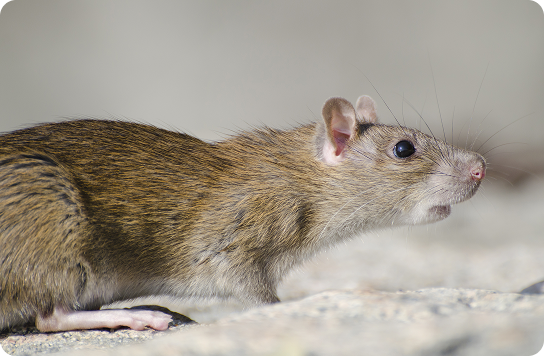
Typical evidence of a mice and rats issue include droppings, gnaw marks, nesting signs, scratching noises in the walls or ceiling spaces, and destruction in lower levels, roof spaces, or storage areas. You may notice torn food packaging or insulation. If you see ongoing signs of rodent activity, it is wise to book an inspection.
Are ants and cockroaches a bigger problem in older Windsor homes?
Certainly, older Windsor homes commonly face greater pest pressure because they may have extra structural gaps, aging seals, and moisture intrusion issues. Ants can use these openings to reach food and water sources, while German cockroaches may move more easily in older buildings, especially where sanitation or shared wall spaces make control more difficult.
When should I call for reliable pest control in Windsor?
You may want to contact for qualified pest control windsor services when pest activity keeps coming back, when you see obvious infestation signs, or when the problem seems to be spreading. A professional inspection can locate the source, and a pest management approach can help handle the issue with a lasting plan rather than a short-term fix.
Mosquito Man Windsor
2485 Front Rd, LaSalle, ON N9J 2C5, Canada
+1 226-526-4711
https://maps.app.goo.gl/JwhSC65zfbLWNH6v7
https://mosquitoman.ca/pest-control/windsor/
42.2161228, -83.1003005