Do One Need Pest Control for a Townhouse in Brampton?
Why townhouses in Brampton are at increased pest risk
If you own or occupy a townhouse in Brampton, the short answer is often yes: pest control Brampton services can be a smart choice, notably if your unit connects via walls, has a basement, or sits near active landscaping and construction. A townhouse is more exposed than a detached home because pests can move from one unit to another through wall voids, utility lines, attic spaces, and tiny gaps around doors and vents. In Brampton, ON, that risk is heightened by dense suburban neighbourhoods, newer housing developments, and the way pests spread across connected properties.
Townhouse living also creates more chances for hidden access points. Although your unit is well-kept, pests may get in from a neighbour’s unit, shared garbage area, or exterior cracks. This is why townhouse pest control is typically more about early protection and blocking entry than responding after a serious problem starts. A good check can find weak spots before they develop into an pest problem.
Brampton's position in the GTA is important too. As the city is well connected to Mississauga and Toronto, pest pressure and service access often overlap. If pests are present in nearby communities, they can move through shared buildings and closely packed communities. That means pest control Mississauga and pest control Toronto trends often reflect what homeowners experience in Brampton as well.
Changing climate swings also have a major impact. When temperatures fall, mice and insects look for a warmer place, shelter, and food in the home. In warmer months, ants and wasps become more noticeable around decks, eaves, soffits, and outside storage. Combine local waste storage habits, yard design, and construction projects in Peel Region, and you have the ideal conditions for pest pressure around townhouses.
Common pests in Brampton townhouses
Some pests appear more often than the rest in Brampton townhouse communities. The biggest concerns usually include mice control Brampton issues, ants, cockroaches, and wasps. Each pest behaves differently, but each of them can exploit shared structures and small openings.
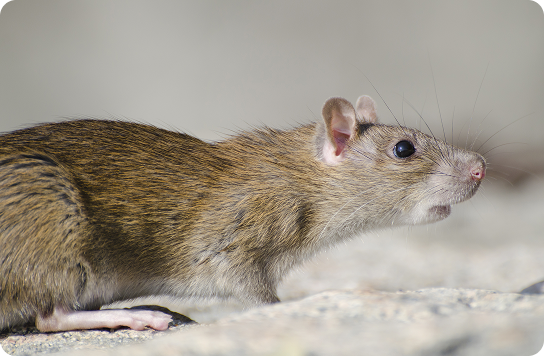
Mice are a top concern because they need very little space to enter a home. They can squeeze through tiny gaps near foundation lines, garage doors, dryer vents, and pipe penetrations. Once inside, they may nest in insulation, behind appliances, or in basement storage. That is why rodent control and exclusion work are so important in townhouse settings.
Ants often show up in kitchens, bathrooms, and along baseboards. They may be attracted by crumbs, pet food, moisture, or even a small leak. In newer townhouse developments, ants can travel along wall voids and shared construction gaps, making the problem feel like it is coming from nowhere.
Cockroaches are another serious concern because they spread quickly and can be hard to remove without professional baiting and sanitizing. They like warm, hidden, moisture-prone spaces such as under sinks, behind fridges, and near laundry areas. If one unit in a townhouse block has roaches, nearby units can become affected through shared walls and utility chases.
Wasps are usually a seasonal issue, but they can still become a problem around eaves, vents, decks, and rooflines. Small exterior gaps can allow nesting activity near the home, and an active nest close to a shared entrance or patio is more than just annoying; it can be a safety issue.
Some other pests may appear as well, but those four are the main reasons people look for pest control Brampton support. If you notice repeated activity, it may be a sign that the issue is not isolated to your unit and that a broader service plan is needed.
Signs you need pest control now
A few pest problems are clear. Some others start small and build up quietly until the damage becomes tougher to control. When you notice any of the following indicators, it is a good idea to respond promptly and arrange an inspection.
- Droppings in cabinet areas, near baseboards, in cellar areas, or close to the furnace and laundry area
- Gnaw marks on packages of food, trim wood, electrical wires, or stored items
- Visible entry points near pipes, air vents, openings under doors, or foundation cracks
- Marks, grease tracks, or scurrying noises in walls or ceilings
- Insect carcasses, shed skins, or active bugs in kitchens and bathrooms
- Musty odours, nesting material, or signs of moisture buildup
If you see these warnings, you may already have a pest infestation, even if it appears small. Townhouses make that especially tricky because pests can live within shared walls, move between units, and return after a fast cleanup. One missed nest or access gap can keep the cycle going.
It is also important to look at what the signs mean. Droppings plus gnaw marks usually point to rodents. Repeated ant trails suggest an established colony and possible nesting nearby. Roaches in daylight can mean the population has expanded. Wasps around the exterior may indicate a nest that needs targeted removal rather than a DIY spray.
In many cases, the best move is to book a professional visit early. The cost of waiting often includes additional damage, more contamination, and additional follow-up visits. A proper plan should include not only extermination but also prevention, sanitizing, and exclusion so the issue does not return.
In what way does townhouse pest control works in shared-wall homes
Adjoining walls change how pest treatment works. In a standalone house, a technician can typically work on the entire exterior and interior without worrying as much about adjacent units. In a townhouse, pest movement can move through adjoining structures, so the approach has to be more methodical.
The process typically begins with a detailed examination. A licensed technician will look for shelter areas, humidity concerns, nesting spots, and access routes on both the inside and outside the unit. In a townhouse, this often means checking utility penetrations, garage entry areas, attic spaces, basement rim joists, and the areas where common walls meet outside surfaces.
After identifying the origin, the technician develops a treatment plan. This plan may include setting bait, trap placement, closing gaps, and direct applications depending on the pest. For rodents, rodent control usually blends exclusion with bait stations or capture methods. For ants or cockroaches, the plan may focus more on baiting, sanitizing, and taking away food and water sources. For wasps, it may involve identifying and handling the nest safely.
Mosquito Man Brampton16 Rutherford Rd S Unit 203, Brampton, ON L6W 3J1, Canada
https://mosquitoman.ca/
+16472437241
P726+M5 Brampton, Ontario, Canada
https://maps.app.goo.gl/yYb1hcQZ8RbdgabW8
One of the main differences in townhouse pest control is the priority on sealed entry points. If the cracks are not sealed, pests can return from a nearby unit or from the surrounding environment. Sealing entry points is often what turns a quick fix into lasting prevention.
Management teams may also need to be involved. In connected-home rows, the issue can impact several residents, and effective property management communication supports plan treatment timing, inspection entry, and subsequent monitoring. That matters especially in townhome communities with ongoing pest pressure.
A comprehensive service may include surveillance visits and a service plan with recurring treatment if the area has a past of rats or bugs. For many residents, this is what makes for professional care more successful than single targeted treatment.
How affordable pest control costs in Brampton
People often search for pest control Brampton prices or pest control Brampton cost before reaching out. This is understandable, but pricing changes based on the pest, unit size, level of https://toronto-ondv263.theburnward.com/how-do-i-get-rid-of-flies-in-my-brampton-home activity, and whether the treatment includes follow-up visits. A small ant issue is usually cheaper than a full rodent or cockroach program that requires inspection, baiting, and exclusion work.
For townhouse pest control, the price may also change depending on access and complexity. A unit with an easy exterior perimeter may be simpler to treat than one with a finished basement, attached garage, or multiple concealed voids. If the technician needs to spend more time sealing entry points or setting up trap placement and monitoring, the quote may go up.
Service frequency plays a role too. A one-time service is usually lower-cost up front, but recurring treatment may provide better long-term value if your area has ongoing pest pressure. Some properties need a seasonal checkup, while others benefit from a year-round service plan.
When you request a quote, make sure it details what is included. Ask whether the price covers inspection, treatment, follow-up, exclusion, and any warranty coverage. A low price may not be the smartest option if it skips the steps that actually solve the problem.
You may also see listings such as pest control Brampton kijiji ads that look less expensive than established providers. Those can be attractive, but pricing alone should not decide the job. In a townhouse, poor exclusion or incomplete treatment can leave the infestation active and cost more in the long run.
DIY vs professional pest control in Brampton
A lot of homeowners try DIY pest control at first, and in some cases that is enough for a minor, isolated issue. A few bait spots, regular cleaning practices, and sealing a clear crack may help with a minor problem. But townhouse settings create more complexity because pests can move between units and hide in shared construction voids.

DIY methods often rely on sprays and store-bought traps. Those tools can help with short-term relief, but they may not address nesting sites, entry routes, or moisture problems. For example, spraying ants on a counter can kill visible workers without affecting the colony. Likewise, using a mouse trap without closing the access point may catch one rodent while the rest stay active.
Professional service is usually the best option when the issue is repeated, widespread, or hard to locate. A professional exterminator can combine inspection, exclusion, bait stations, and targeted control methods to get ahead of the problem. That matters especially for mice, cockroaches, and hidden infestations.
Professionals also understand how to use bait stations safely and strategically. The proper placement matters, particularly in a townhouse where pets, children, or neighbouring units may be nearby. A trained technician knows where baiting makes sense and where a different method is better.
If you are unsure, a good guideline is this: if the problem keeps coming back, spreads beyond one room, or appears in shared areas, it is time to call a professional. DIY can support prevention, but it usually cannot replace a proper inspection and treatment plan in a townhouse environment.
What to watch for in the most reliable pest control Brampton services
Selecting the best pest control Brampton provider is not just about the most affordable rate. It is about finding a company that is familiar with townhouse layouts, local pest patterns, and long-term prevention. First, looking for a licensed technician who provides a clear inspection process and explains what they found in plain language.
Check if the company provides a written warranty or follow-up guarantee. In townhouse pest control, follow-up matters because pests can come back from nearby units or hidden routes. A strong warranty shows the company supports its work.
Make sure inspection is part of the service, not just an add-on. A good provider should check both interior and exterior areas, locate entry points, and advise sealing, sanitation, or monitoring steps. If they only treat the visible symptom and skip the root cause, the issue may come back.
You may also compare local names such as orkin brampton, orkin canada, orkin mississauga, orkin toronto, and abell pest control brampton. Those brands are often searched by homeowners evaluating service options across the GTA. It is reasonable to review abell pest control reviews and compare abell pest control prices alongside other providers, as long as you are comparing similar service scopes.
Some homeowners also look into abell pest control locations or cross-regional presence like abell pest control windsor and abell pest control collingwood to understand coverage and service consistency. Likewise, if you are trying to reach a major national provider, you might see searches for an orkin canada email contact. The key is to verify the provider actually services your area and your specific pest problem.
In short, the best company will bring together inspection, clear communication, preventive recommendations, and reliable follow-up, not just a quick spray.
Local Brampton factors that can attract pests
Various local factors increase pest issues more common in Brampton. One is the GTA climate, which creates seasonal shifts that send pests indoors during cooler months and increase insect activity in milder periods. When weather changes quickly, pests seek secure shelter, food, and moisture.
Another factor is Brampton’s increasing housing stock. New developments can alter pest habitats and force rodents or insects into nearby homes. Construction activity may also leave openings, disturbed soil, and temporary food sources that attract pests. In townhouse communities, that can lead to migration from one unit or block to another.
Landscaping also plays a factor. Dense shrubs, mulch beds, stacked firewood, and overgrown edges can create concealed spots and nesting opportunities. If landscaping touches the building or blocks visual access to foundation lines, it becomes harder to spot initial warning signs.
Garbage storage is another frequent attractant. Shared bins, overflowing waste, and poorly sealed outdoor storage areas can bring in rodents, raccoons, flies, and ants. In townhouse communities, a messy common area can affect multiple units very quickly.
Because Brampton is closely linked with Mississauga and Toronto, service demand and pest movement can overlap across municipal boundaries. That means what is happening in one part of the GTA can affect another, especially in connected residential developments and rental communities.
These local factors are why prevention is so important. A clean interior helps, but it is only one part of the equation. Effective control also depends on exclusion, sanitation, inspection, and ongoing monitoring of the outdoor environment.
FAQ: Shared-unit pest control in Brampton
Do I need pest control for a townhouse in Brampton year-round?
Not every townhouse needs monthly service, but year-round prevention is often smart in Brampton because pests can move indoors during cold weather and become active again in spring and summer. If your home has had repeated rodent or insect activity, a recurring treatment or seasonal service plan is usually more effective than a one-time visit. Shared walls make ongoing monitoring especially useful.
What bugs are most frequent in Brampton townhouses?
The most typical townhouse critters in Brampton are mice, ants, cockroaches, and wasps. Mice are especially common because they exploit tiny entry points. Ants often show up in kitchens and near moisture. Cockroaches can spread in shared-wall settings, and wasps are more noticeable around eaves and exterior openings in warmer months.
How much does pest control in Brampton usually cost?
Pest control Brampton cost depends on the pest, the size of the townhouse, how severe the infestation is, and whether you need follow-up visits. That is why pest control Brampton prices can vary so much. A quote should explain inspection, treatment, exclusion, and warranty coverage so you know what you are paying for.
Can I handle mice control in a townhouse on my own?
You can try basic mice control Brampton steps on your own, like cleaning food sources, sealing obvious gaps, and using traps. But townhouse cases are often harder because mice can come through shared walls, attics, and hidden entry points. If you see repeated droppings, gnaw marks, or signs of nesting, a professional exterminator is usually the better choice.
How do I choose the best pest control Brampton company?
Look for the best pest control Brampton provider by checking for a licensed technician, a thorough inspection, a clear treatment plan, and a solid warranty. Ask how they handle shared walls, sealing, monitoring, and follow-up visits. It is also smart to compare local providers, reviews, and service area coverage before booking.
If you are dealing with pests in a Brampton townhouse, the right move is usually to act early. Shared walls, nearby units, changing weather, and local construction can all make problems spread faster than you expect. A focused inspection and practical treatment plan can save time, money, and stress while protecting your home long term.